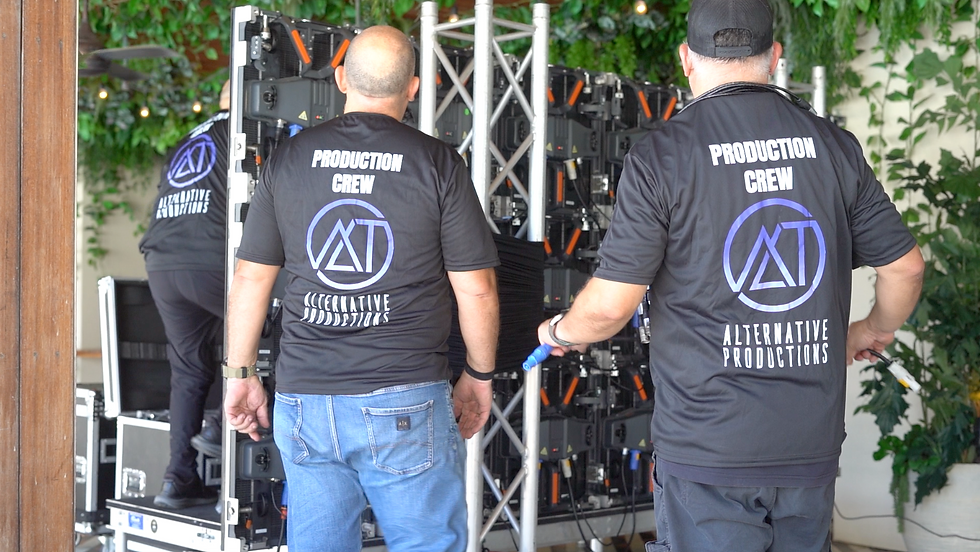
How Audio, Video, and Lighting Work Together in Live Events


When people attend a live event, they don’t think in terms of audio, video, or lighting, they experience everything as one seamless production. The sound is clear. The visuals are sharp. The lighting sets the mood.
But behind the scenes, these elements are carefully designed and synchronized to work together. Without that coordination, even the most expensive equipment can fall short.
At Alternative Productions, we specialize in full service event production, where audio, video, and lighting systems are engineered to operate as one unified experience.
Why Integration Matters in Event Production
Audio, video, and lighting are not separate components: they are interdependent systems.
If one element fails or is poorly executed:
Great visuals won’t matter if the audience can’t hear clearly
Strong audio won’t engage without visual support
Lighting without coordination can distract rather than enhance
Successful live events rely on synchronization, timing, and balance between all three.
The Role of Audio in Live Events
Audio is the foundation of communication at any event.
Whether it’s a corporate presentation, concert, or conference, clear and reliable sound ensures that every message is delivered effectively.
Key audio components include:
Microphones (wireless, handheld, lavalier)
Speakers and line array systems
Audio mixing consoles
Signal processing and routing
Professional audio engineering ensures:
Even sound coverage across the venue
No feedback or interference
Proper volume balance between speakers, music, and video playback
At Alternative Productions, audio systems are designed based on the venue layout, audience size, and event type to deliver consistent, high quality sound.
The Role of Video in Live Event Production
Video enhances engagement and ensures that every attendee can see what’s happening, no matter where they are.
Video production includes:
LED walls and projection screens
Live camera feeds (IMAG)
Presentation slides and video playback
Video switching and signal routing
In large-scale events, video becomes essential for:
Reinforcing key messages
Displaying branding and sponsor content
Supporting live streaming and hybrid events
Proper video integration ensures smooth playback, clear visuals, and real-time synchronization with audio and lighting cues.
The Role of Lighting in Event Experience
Lighting is what transforms a space from ordinary to extraordinary.
It guides attention, creates atmosphere, and enhances the emotional impact of an event.
Lighting systems include:
Stage wash lighting
Spotlights for speakers and performers
Uplighting and ambient lighting
Intelligent lighting for dynamic effects
Lighting is carefully programmed to:
Highlight key moments
Match branding colors
Transition smoothly between segments
At Alternative Productions, lighting design is not just about visibility — it’s about creating an immersive experience.
How Audio, Video, and Lighting Work Together
The real power of event production comes from integration.
1. Synchronized Cues
During a live event:
A speaker walks on stage → spotlight activates
A video begins → audio and lighting adjust simultaneously
A transition happens → lighting fades while screens update
These cues are pre-programmed and executed in real time, ensuring a seamless flow.
2. Unified Control Systems
Professional productions use centralized control systems where:
Audio engineers manage sound
Video technicians control screens and playback
Lighting operators execute cues
All teams communicate through headsets and show callers, ensuring perfect timing.
3. Signal Flow and Connectivity
Behind the scenes, everything is connected through complex signal routing systems:
Audio signals feed into video playback
Video cues trigger lighting changes
Control systems synchronize timing
Proper cable management and signal flow design ensure that all systems operate reliably without interference.
4. Real Time Adjustments
No event is 100% predictable.
Professional teams continuously monitor:
Audio levels
Video feeds
Lighting intensity and timing
Adjustments are made instantly to maintain a smooth and professional experience.
The Importance of Professional Event Production
When audio, video, and lighting are treated as separate elements, events can feel disconnected.
But when they are designed as one system:
Presentations become more engaging
Performances feel more immersive
Events appear more polished and professional
This level of execution requires experience, planning, and technical expertise.
At Alternative Productions, we approach every event with a fully integrated production strategy, ensuring that all technical elements work together seamlessly.
Common Mistakes When AV Is Not Integrated
Without proper coordination, events may experience:
Audio that doesn’t match video playback
Lighting that distracts from the stage
Delays between cues and transitions
Technical glitches during key moments
These issues can impact audience engagement and reflect poorly on your brand.
Audio, video, and lighting are the three pillars of live event production.
Individually, they are powerful. But together, they create a complete, immersive experience that engages audiences and delivers your message effectively.
At Alternative Productions, we specialize in designing and executing fully integrated AV production systems, ensuring every detail works together; from the first cue to the final moment.
Planning a Live Event?
If you’re looking for a team that understands how to bring audio, video, and lighting together seamlessly, Alternative Productions delivers professional, high-quality event production tailored to your vision.
Contact Alternative Productions today to start planning your next live event.