How to Plan a Corporate Event That Runs on Time


When a corporate event runs late, the entire experience can start to unravel.
Speakers feel rushed, sessions overlap, attendees become frustrated, and the event loses its professional rhythm. For conferences, executive summits, and corporate galas, timing is everything.
At Alternative Productions, we’ve worked on events where hundreds or even thousands of attendees rely on a tightly coordinated schedule. Keeping an event on time isn’t accidental. It’s the result of careful planning, technical coordination, and disciplined execution.
Here’s how to plan a corporate event that stays on schedule from the opening moment to the final closing remarks.
Start With a Detailed Run of Show
The most important document for any corporate event is the run of show.
A run of show outlines the full timeline of the event, including:
Speaker start times
Presentation durations
Video playback cues
Lighting transitions
Breaks and networking sessions
Sponsor moments
This document becomes the roadmap for everyone involved — planners, speakers, technicians, and production staff. At Alternative Productions, every event begins with a detailed run-of-show timeline so the entire production team understands exactly when each moment needs to happen.
Allow Time for Transitions
One of the most common mistakes in event planning is underestimating transition time.
Transitions include:
Speaker changes
Panel seating adjustments
Microphone swaps
Presentation loading
Lighting adjustments
Even a simple speaker change can take 30–60 seconds. Without planning for these moments, the event schedule starts slipping immediately.
Professional event production teams plan transitions carefully to ensure they are smooth and quick.
Schedule a Technical Rehearsal
Rehearsals are critical for keeping an event on schedule.
During rehearsal, teams test:
Microphones and audio levels
Presentation clickers
Slide decks and video playback
Lighting cues
Stage entrances and exits
This allows speakers to become comfortable with the stage and ensures the production team knows exactly when each cue should happen. At Alternative Productions, technical rehearsals help eliminate surprises that could delay the event.
Assign a Show Caller
Large corporate events often rely on a show caller: the person responsible for coordinating every cue during the event.
The show caller communicates with:
Audio engineers
Lighting operators
Video technicians
Stage managers
Speakers and presenters
Using headsets and cue sheets, the show caller signals when each moment should begin. This centralized coordination keeps the event flowing smoothly and prevents confusion behind the scenes.
Prepare Speakers in Advance
Speakers play a huge role in whether an event stays on schedule.
Before the event, presenters should be informed about:
Their exact speaking duration
How they will be cued to begin
When they will be asked to wrap up
How Q&A sessions will be managed
Professional production teams often provide countdown monitors or stage cues to help speakers stay within their time limits.
Build Buffer Time Into the Schedule
Even the best-planned events can experience small delays.
That’s why smart event planners build buffer time into the schedule. This may include:
Slightly longer breaks
Flexibility between sessions
Adjustable networking time
These buffers allow the event to absorb minor delays without affecting the overall timeline.
Coordinate With the Venue and Production Team
Event timing depends heavily on coordination between multiple teams:
Event planners
Venue staff
Catering teams
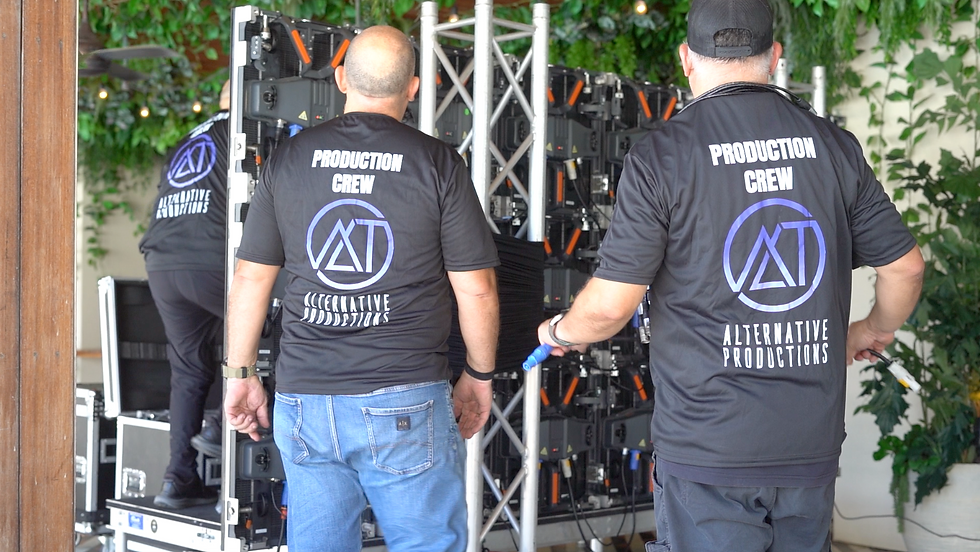
Production crews
Speakers and moderators
If these teams operate independently, scheduling conflicts can occur.
At Alternative Productions, production schedules are coordinated closely with planners and venue teams to ensure that everything — from stage cues to catering breaks — aligns with the event timeline.
Monitor the Event in Real Time
Once the event begins, timing must be monitored continuously.
Production teams track:
Speaker durations
Panel discussions
Video segments
Audience Q&A sessions
If a segment runs longer than expected, adjustments can be made quickly to bring the event back on schedule.
This real-time management keeps the audience experience smooth and professional.
Why Timing Matters for Corporate Events
Running on time is more than just a logistical goal — it’s a reflection of professionalism.
Corporate audiences expect:
Organized presentations
Efficient transitions
Respect for their time
When an event runs smoothly, attendees remain engaged and the overall experience feels polished and intentional.
At Alternative Productions, precise scheduling and coordination ensure that every corporate event runs with the discipline and professionalism your brand deserves.
Planning a Corporate Event?
If you’re organizing a corporate conference, leadership summit, or gala and want a production team that ensures every moment runs smoothly, Alternative Productions provides the planning, technical coordination, and execution needed to keep your event on track.
From run-of-show planning to live event execution, we help make sure your event starts on time — and finishes strong.